
Executive Leadership Training in Whitby, Ontario: Building a Senior Team That Runs Without You

Most Whitby owners I speak with are not short of good people. They are short of a senior team that makes decisions together and keeps the business moving when the owner steps away for a week.
That is the gap executive leadership training in Whitby is meant to close, and it is a different job from training supervisors.
Direct answer: Executive leadership training in Whitby, Ontario develops owners and senior managers so they can set priorities together, hand real authority down, and hold each other to written goals. At Gurley Leadership Solutions it is a proven program from Leadership Management International, customized to your organization, delivered in person at your own site over four to six months. It suits growing Whitby companies with a senior team of two to eight people, from manufacturers to professional and technical firms.
What Does Executive Leadership Training Look Like for a Whitby Company?
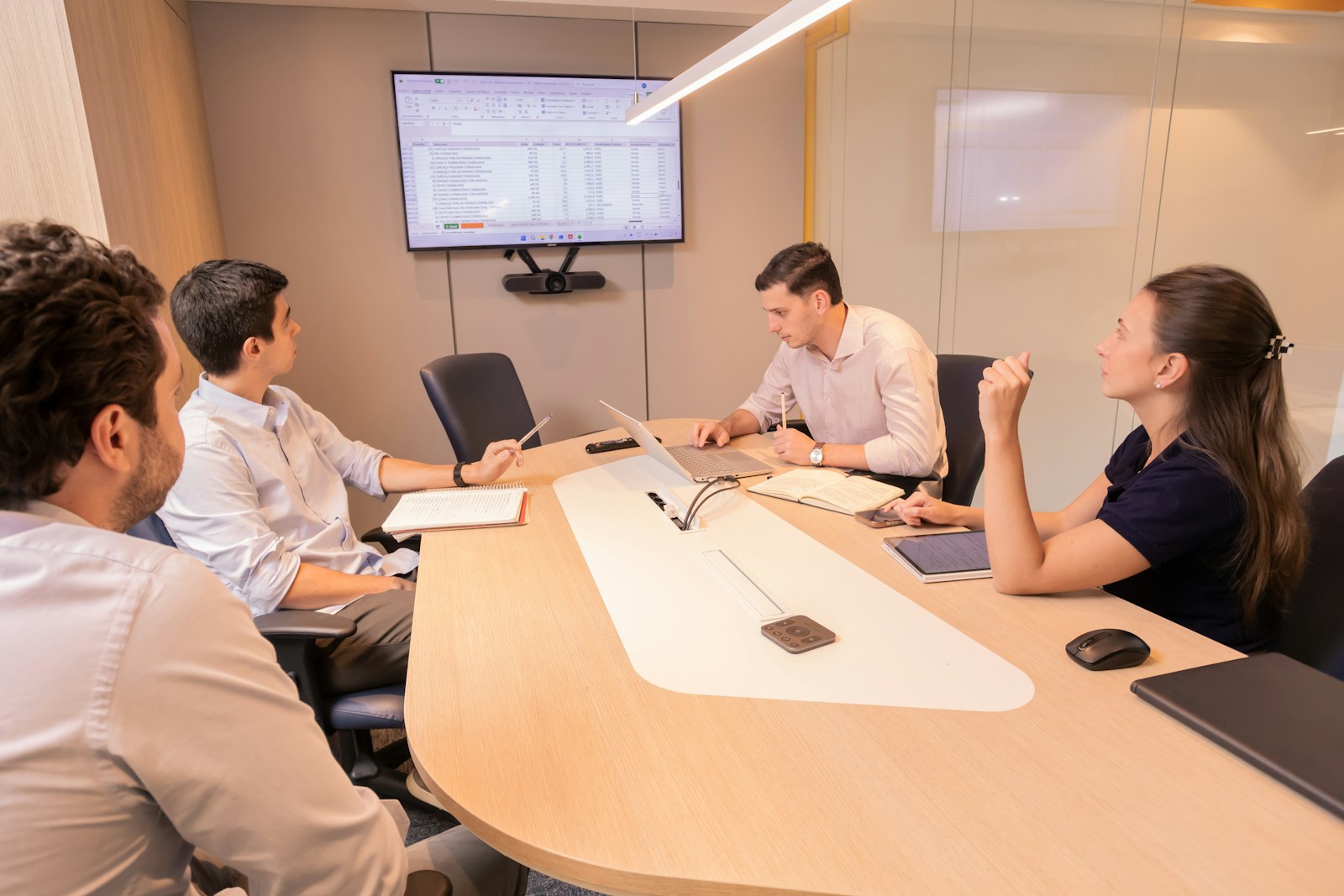
It looks like short working sessions with your own senior team, held at your own location, spread over several months. There are no hotel ballrooms and no mixed groups of strangers. The material is built around the decisions your team is facing right now, such as a new line, a key hire, a second location or a succession plan.
It starts one level above supervisor training. If your first need is with team leads and new managers, leadership development in Whitby is the better place to begin. Executive work is for the owner, the general manager and the people who report directly to them.
Which Whitby Employers Benefit Most From Executive Training?
Whitby has a broad business base. Invest Durham lists advanced manufacturing, professional, scientific and technical services, and information and communications technology among Whitby's priority clusters. In my experience, three kinds of company get the most from an executive program:
- Manufacturers and distributors where the plant manager, operations lead and owner still settle every scheduling conflict between them.
- Professional and technical firms where senior specialists were promoted into leadership without ever being shown how to lead other leaders.
- Family and founder-led companies preparing a second generation, or a new general manager, to take over the day-to-day.
What they share is size. Once a Whitby company passes roughly 25 to 30 people, the owner can no longer be in every conversation, and the quality of the senior team starts to decide the pace of growth.

What Problems Does Executive Leadership Training Solve?
Owners rarely call me asking for executive training by name. They call because of symptoms like these:
| What the owner sees | What is usually behind it |
|---|---|
| Every decision still lands on the owner's desk | Authority was delegated in name, not in practice |
| Senior meetings end without clear owners or dates | No shared written goals for the senior team |
| Departments work against each other | Each leader is measured only on their own area |
| Good managers leave within two years | No one above them is developing them |
| The owner cannot take a real holiday | No one else is trusted to make the hard calls |
Losing a senior person is the most expensive version of these problems. SHRM notes that replacing an employee can cost from 50% to 200% of their annual salary, depending on their level, and leadership roles sit at the upper end of that range.
What Happens in the First 90 Days of an Executive Program?
The first three months set the pattern for the rest of the program. This is how I run them with a Whitby senior team:
- Weeks 1 to 2: Discovery. I meet the owner and each executive separately, then record a baseline of the numbers we agree matter.
- Weeks 3 to 4: Shared goals. The senior team writes three to five goals for the next twelve months, with one owner per goal.
- Weeks 5 to 8: Delegation in practice. Each executive hands one real decision area down a level and reports back on it.
- Weeks 9 to 12: Accountability routine. A short weekly senior meeting that reviews goals, not gossip, and ends with named actions.
By day 90 the team should be running its own weekly routine with less input from me. Months four to six then deepen the habits and extend them to the next level of managers. Each participant works from Leadership Management International materials, so the goal-setting and time-management tools stay with the team after the program ends. You can see how the underlying programs are structured on the LMI Canada page.
How Do You Know the Executive Program Is Working?
You measure it, starting before the first session. I ask Whitby owners to track three things: how many decisions still reach the owner in two normal weeks, how the written goals are progressing, and senior turnover over twelve months.
The gains can be large when the senior team changes. In my own senior roles at Honeywell, the operation I led saw a 20% productivity improvement in the first year and a 64% increase in throughput over four years. Measured against a baseline recorded first, I tell owners to expect a return of 10:1 or better.
The change also travels down the organization. Gallup found that managers account for at least 70 per cent of the variance in employee engagement across business units, and managers take their lead from the senior team above them.

How Does a Local Program Compare With National Training Brands?
National training organizations publish useful research on leadership gaps. FranklinCovey reports that 58% of new managers receive no formal leadership training before starting to lead a team, and Korn Ferry found that the right leadership characteristics and team environment can lift engagement scores by up to 42 percentile points. Their programs are usually public courses or virtual cohorts, where one leader from your company sits with leaders from many others.
For Whitby, Durham Region and Greater Toronto Area owners who need their whole senior team to change together, I offer a better fit: the same team, in the same room, working on your own goals and measured against your own numbers. I am based next door in Ajax and also deliver executive leadership training in Ajax. You can read more about my background and why employers choose Gurley Leadership Solutions.
Could Your Senior Team Run the Business for a Month Without You?
A 15-minute call with Malcolm Gurley will show where your senior team stands and whether a program makes sense now.
416.669.7644 · Monday to Friday, 8:00 AM to 6:00 PM · Ask about government funding options when you book your call.
Book a 15-Minute CallWhat Do Whitby Owners Ask About Executive Leadership Training?
How big does a Whitby company need to be for executive training?
Most companies benefit once they pass about 25 to 30 people and have at least two senior leaders besides the owner. Below that size, supervisor development is usually the better first step.
Does executive leadership training in Whitby happen on site?
Yes. Sessions are held in person at your own location in Whitby, so the work stays tied to your real decisions and nobody loses a day to travel.
How much of the senior team's time does the program take?
Plan on a short working session every week or two, plus time to practise between sessions. Most of the work happens inside decisions the team is already making.
What if our senior team does not get along?
That is a common starting point. Shared written goals and a weekly accountability routine give the team a common scoreboard, which usually lowers friction within the first few months.
Can we start with only the owner and one senior manager?
Yes. Some Whitby companies start with the owner and a general manager, then add the wider senior team once the routine is working.
Malcolm Gurley brings 35+ years of senior executive experience with Honeywell, Johnson Controls and Armstrong Fluid Technology. He is LMI Canada licensed, Lean Certified and a Six Sigma Black Belt, and delivers Leadership Management International programs in person for organizations across Durham Region and the Greater Toronto Area from Ajax, Ontario. Frequently asked questions